

Gut Health Probiotics: Everyday Habits That Work
Key takeaways
- Your gut bacteria respond to daily habits, so consistent sleep, movement and fibre matter more than any single supplement.
- Fermented foods and fibre feed different needs: fermented foods add live cultures while fibre feeds the good bacteria you already have.
- In a Stanford trial, a 10-week fermented food diet raised gut microbial diversity and lowered 19 inflammatory proteins in the blood.
- Most adults eat only about 20g of fibre a day against a 30g target, which leaves your good bacteria underfed.
- A quality probiotic supplement helps most when travel, illness, antibiotics or a low-fibre stretch throw your routine off.
The habits that shape your gut are the small, repeatable ones: what you eat most days, how well you sleep and how you handle stress. Gut health probiotics food choices, meaning fermented foods and the fibre that feeds your good bacteria, do more for your microbiome than any occasional fix. This guide walks through the daily routines that help your gut bacteria thrive, how to pair probiotics with fibre, the lifestyle factors that quietly work against you, and when a supplement is worth adding.
Your gut is home to trillions of bacteria that help you digest food, train your immune system and even influence your mood. Think of them as tenants. Treat them well and they keep things running smoothly. Neglect them and the balance can tip toward bloating, irregularity and low energy. The good news is that the microbiome responds quickly to change, so better habits start paying off within weeks.
Daily Routines That Keep Gut Bacteria Thriving
Your good bacteria like consistency. A few steady habits give them the conditions they need to grow and crowd out the less helpful microbes.
- Eat a wide range of plants. Different fibres feed different bacteria, so variety builds diversity. Aim to work more colours and types of vegetables, fruit, beans and whole grains into your week.
- Add a fermented food most days. Plain yoghurt, kefir, kimchi, sauerkraut and miso deliver live cultures alongside your meals.
- Stay hydrated. Water helps fibre do its job and keeps digestion moving.
- Protect your sleep. Your gut follows a daily rhythm, and poor sleep can nudge it out of balance.
- Move your body. Regular activity is linked to a more diverse microbiome, and even a daily walk counts.
None of these need to be perfect. Consistency over weeks matters far more than any single day.
Gut Health Probiotics Food: Pairing With a Fibre-Rich Diet
Probiotics and fibre work as a team. Probiotics are the live good bacteria you add. Fibre, especially the type known as prebiotic fibre, is the food that keeps those bacteria and the ones already living in your gut well fed. Add one without the other and you only do half the job.
Here is the challenge: most of us fall short on fibre. Government guidelines in the UK recommend 30g of fibre a day, yet most adults eat only around 20g, according to the NHS. That 10g gap leaves your good bacteria underfed, which is one reason bloating and sluggish digestion are so common.
Simple ways to close the gap:
- Swap white bread, rice and pasta for wholegrain versions.
- Keep the skin on fruit and vegetables where you can.
- Add beans, lentils or chickpeas to soups, salads and stews.
- Snack on nuts, seeds or a piece of fruit instead of refined treats.
- Start the day with oats or a high-fibre cereal.
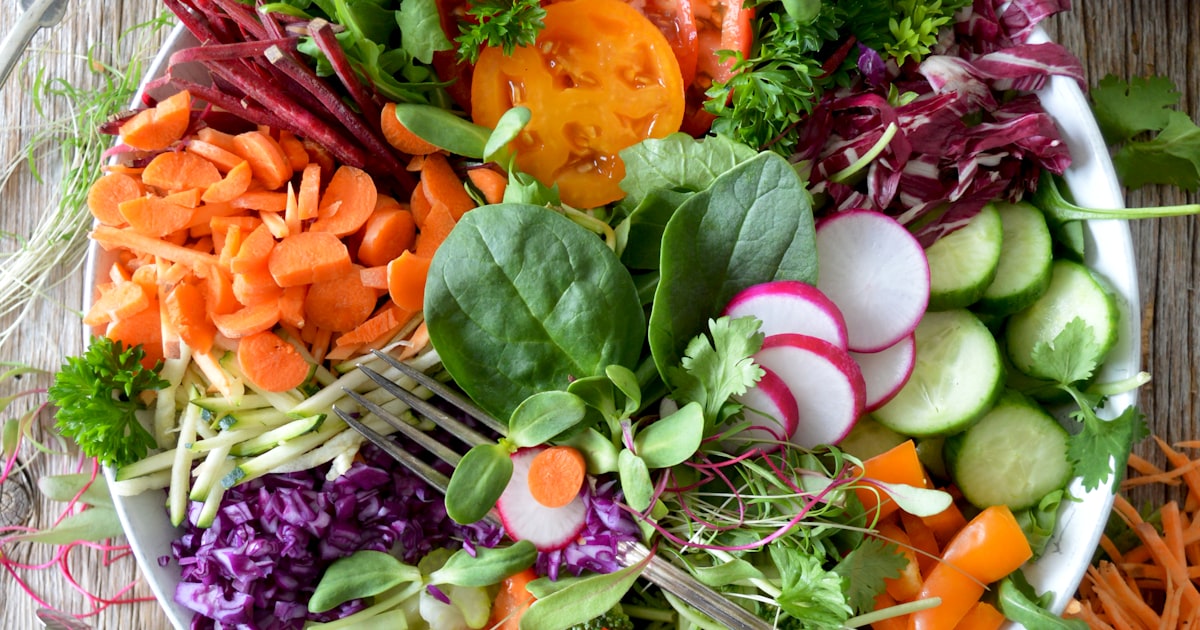
When you pair fermented foods or a probiotic with steady fibre, you give the good bacteria both a boost in numbers and a reliable food supply. Prebiotic fibre and probiotics belong together for exactly this reason.
Lifestyle Factors That Harm Your Microbiome
Some everyday habits quietly work against your gut. Knowing them makes it easier to protect the balance you are building.
- Ultra-processed foods. Diets heavy in refined sugar and low in fibre tend to feed the less helpful bacteria and reduce diversity.
- Ongoing stress. The gut and brain are in constant conversation, so long stretches of stress can affect digestion and the microbiome.
- Too little sleep. Irregular or short sleep disrupts your gut's daily rhythm.
- A sedentary routine. Long periods of inactivity are linked to less microbial diversity.
- Antibiotics when avoidable. Antibiotics are sometimes essential, but they clear out good bacteria along with the bad. Use them only when a professional advises it.
You do not need to overhaul your life at once. Picking one factor to improve, then another, tends to stick better than an all-or-nothing approach.
When a Probiotic Supplement Fills the Gaps
Food first is a sensible rule. If your diet is already rich in fibre and fermented foods, you may not need anything extra. A supplement earns its place when life gets in the way of good habits, such as:
- A course of antibiotics that has disrupted your gut.
- Travel, illness or a stressful stretch when your eating slips.
- Long periods when fermented foods and fibre are hard to keep up.
- Specific goals like intimate health, immunity or digestion support.
There is a catch with many standard probiotics: stomach acid destroys a large share of the live cultures before they ever reach your gut. That is where delivery technology matters. Velobiotics uses patented microencapsulation with supercritical CO2, designed to shield the live cultures so far more survive the journey and arrive where they can help. It is doctor-formulated, lab-tested and covers needs from everyday gut health to women's intimate balance, kids' immunity and more.
Research also supports leaning on fermented foods, not just capsules. In a Stanford Medicine clinical trial, 36 healthy adults followed a 10-week diet, and those eating fermented foods saw an increase in overall gut microbial diversity along with a drop in 19 inflammatory proteins measured in their blood, as reported by Stanford Medicine. It is a strong reminder that daily food habits and a good supplement work best together.
If you are weighing up options, this guide on choosing the best probiotics for gut health covers what to look for in strains, CFU counts and delivery.
Simple Weekly Gut-Health Checklist
Use this as a light structure to aim for. Try to tick most boxes across the week.
- Eat 20 to 30 different plant foods. Count vegetables, fruit, beans, nuts, seeds and whole grains.
- Have a fermented food on most days. Yoghurt, kefir, kimchi or sauerkraut all work.
- Hit your fibre target. Nudge toward 30g a day with wholegrains, beans and skins-on produce.
- Sleep 7 to 9 hours most nights. Keep your bed and wake times fairly steady.
- Move daily. A brisk walk counts, and more is a bonus.
- Manage stress. A few minutes of breathing, a walk outdoors or downtime all help.
- Take your probiotic if you use one. Same time each day builds the habit.
Steady, unglamorous habits are what a healthy gut is built on. Pick two or three from the checklist to start this week, keep them consistent, and add more as they become second nature. If you want a probiotic that is built to survive stomach acid and reach your gut alive, explore the Velobiotics range or take the BioMatch quiz to find the formula that fits your needs.
Frequently asked questions
What foods are best for gut health probiotics?
Fermented foods like plain yoghurt, kefir, kimchi, sauerkraut and miso add live cultures. Pair them with fibre-rich foods such as oats, beans, fruit and vegetables to feed the bacteria you already have.
How long does it take to improve gut health?
Many people notice changes in digestion and regularity within two to four weeks of steady habits. Lasting shifts in your microbiome build over months of consistent fibre, fermented foods and sleep.
Do I need a probiotic supplement if I eat well?
Not always. If your diet is rich in fibre and fermented foods, food may be enough. A supplement helps most during antibiotics, travel, illness or low-fibre stretches when your routine slips.
Can probiotics survive stomach acid?
Many standard probiotics lose most of their live cultures to stomach acid. Delivery technology such as microencapsulation is designed to shield the bacteria so more reach the gut alive.