

Signs of a Damaged Gut Barrier: A Doctor’s Guide to Healing Your Leaky Gut in 2026
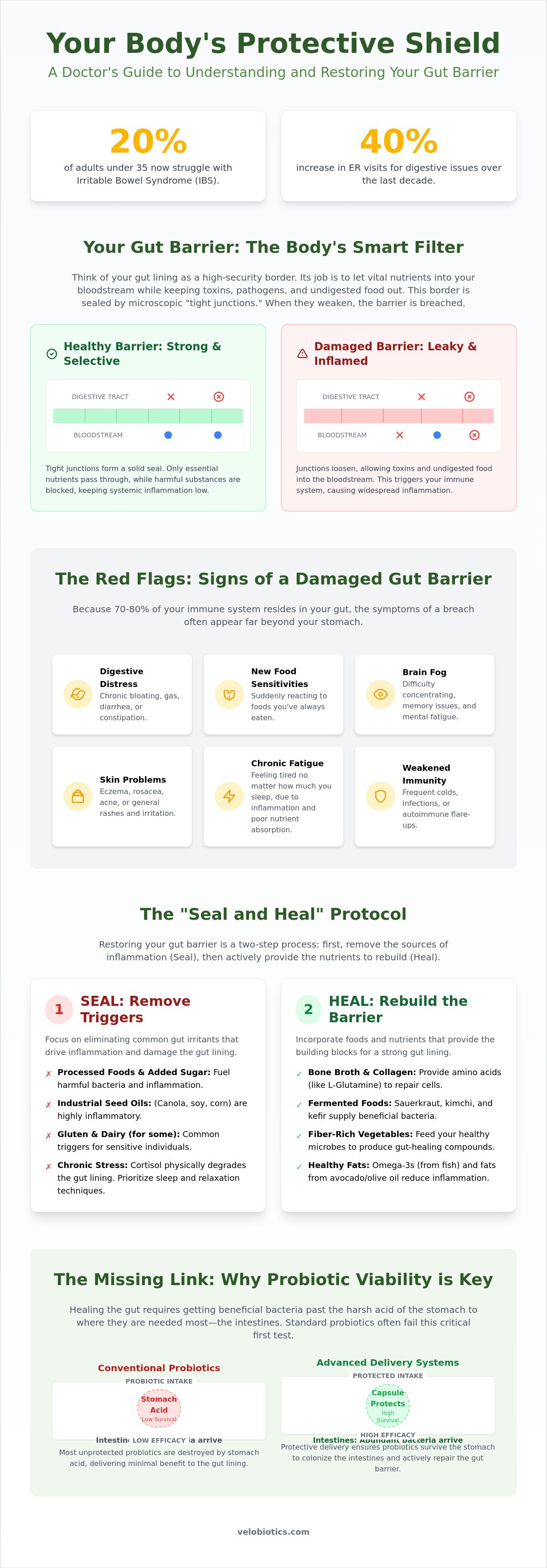
Nearly 20% of adults under 35 now struggle with irritable bowel syndrome, a staggering figure that aligns with a 40% increase in emergency room visits for digestive issues over the last decade. If you're currently battling persistent bloating or midday energy crashes, you aren't just imagining things; your body is likely signaling specific signs of a damaged gut barrier. This isn't about vague wellness trends. It's about the physiological reality of intestinal permeability, where the tight junctions of your gut lining begin to fail and allow toxins to enter your bloodstream.
I understand the frustration of receiving generic advice that ignores the underlying biological mechanisms. You deserve a strategy rooted in clinical evidence rather than guesswork. In this guide, I'll show you how to identify the subtle red flags of a compromised lining and provide a doctor-approved protocol to restore your protective shield. We'll examine the science of microbial viability and walk through a clear checklist of symptoms, followed by actionable steps to help you feel better within weeks.
Key Takeaways
- Understand why your gut barrier acts as your body's "smart filter" and how microscopic "tight junctions" maintain your systemic health.
- Learn to recognize the specific signs of a damaged gut barrier, including chronic bloating and sudden food sensitivities that standard tests often miss.
- Identify the modern dietary and lifestyle triggers, like cortisol-driven stress, that physically compromise your intestinal lining.
- Discover the two-step "Seal and Heal" protocol designed to eliminate inflammation and rebuild the barrier with clinical-grade nutrients.
- Explore why probiotic viability is the missing link in recovery and how advanced delivery systems bypass the stomach acid barrier to ensure effective repair.
What is the Gut Barrier? Understanding Your Body’s Most Important Border
Think of your gut barrier as the ultimate bouncer at an exclusive club. It stands at the border between the food you ingest and your bloodstream, making high-stakes decisions every second about what gets in and what stays out. This complex system, formally known as the intestinal mucosal barrier, is your body's primary defense against a world of pathogens, undigested proteins, and environmental toxins. When it's functioning perfectly, it allows vital nutrients to pass through while keeping the "troublemakers" firmly on the other side.
While the public often uses the term "leaky gut," medical professionals prefer the more precise "intestinal permeability." This refers to a state where the structural integrity of this border is compromised. When you start noticing the signs of a damaged gut barrier, it means the bouncer has effectively stepped away from the door, allowing unwanted guests to slip through and wreak havoc on your internal systems. Understanding this mechanism is the first step toward reclaiming your energy and digestive comfort.
To better understand this concept, watch this helpful video:
The Anatomy of a Healthy Gut Lining
The foundation of this barrier is a single, incredibly thin layer of epithelial cells. These cells are held together by protein structures called tight junctions, which act like microscopic glue to keep the wall solid. Above these cells sits a thick mucosal layer that serves as a physical shield against stomach acid and harmful bacteria. Your microbiome plays a critical role here; beneficial bacteria produce short-chain fatty acids that fuel these epithelial cells and keep the tight junctions strong. The gut barrier is a semi-permeable membrane that filters essential nutrients into the blood while strictly blocking toxins and pathogens. Supporting this microbiome with high-viability solutions like Velo16 is essential for maintaining this structural "glue."
Why Barrier Integrity Matters for Overall Health
It is easy to think of digestive health as being contained within the stomach, but the reality is much more systemic. Roughly 70 to 80% of your immune system is located directly behind this thin intestinal wall. When the barrier is breached, your immune cells go into a state of high alert, triggering a cascade of inflammation. This is why signs of a damaged gut barrier often manifest as issues in seemingly unrelated areas, like your skin or your cognitive function. If the barrier is "leaky," the resulting inflammatory fire can quickly spread to other organs, leading to the chronic fatigue and brain fog that many of my patients struggle with daily. Maintaining this border isn't just about avoiding bloating; it's about protecting your entire physiological ecosystem from systemic overload.
The Red Flags: How to Spot the Signs of a Damaged Gut Barrier
Identifying the signs of a damaged gut barrier requires looking far beyond the stomach. While chronic bloating, gas, and unpredictable bowel movements are the most frequent indicators, they are often just the first stage of a more complex physiological breakdown. With 60 to 70 million Americans affected by digestive diseases annually, these "common" discomforts have become normalized, yet they represent a significant breach in your body's primary defense system. If you find yourself suddenly reacting to foods you have eaten for decades without issue, your intestinal lining is likely allowing undigested proteins to enter the bloodstream, triggering a systemic immune response.
This internal breach also leads to nutritional deficiencies that can leave you feeling malnourished despite eating a balanced diet. When the epithelial cells are damaged, they lose their ability to effectively transport vitamins and minerals into your system. This failure in absorption is a primary reason why many patients experience persistent fatigue regardless of how much they sleep. To begin identifying your specific triggers, I recommend keeping a 7-day "Symptom and Snack" log. Documenting exactly what you eat and how you feel two hours later provides the empirical data needed to distinguish between a simple food intolerance and a deeper barrier issue.
Beyond Digestion: The Systemic Symptoms
When the intestinal wall is compromised, molecules known as lipopolysaccharides (LPS) can leak into the circulatory system. These bacterial toxins act as a "fire" that spreads throughout the body, often manifesting as joint pain or chronic fatigue that standard blood tests fail to explain. This systemic inflammation is one of the most reliable Signs of an unhealthy gut, yet it is frequently misdiagnosed as general aging or stress. In many cases, these circulating toxins trigger autoimmune-like responses, where the immune system begins attacking healthy tissue because it is in a state of perpetual high alert due to the constant influx of foreign particles.
The 'Mirror' Effect: Skin and Mood Signals
The "Gut-Skin Axis" and "Gut-Brain Axis" are not just theoretical concepts; they are direct biological pathways. Persistent skin issues like acne, rosacea, or eczema are often the external mirror of internal gut distress, resisting topical treatments because the root cause remains unaddressed in the belly. Similarly, the "leaky gut, leaky brain" connection explains the heavy, mask-like brain fog and anxiety that many people experience. This cognitive impact occurs when the same inflammatory markers affecting your gut cross the blood-brain barrier. Addressing these symptoms requires a focus on biological viability, ensuring that restorative agents like Velo16 are delivered directly to the site of the damage to begin the repair process effectively.
The Root Causes: Why Your Gut Barrier Becomes Compromised
Identifying the signs of a damaged gut barrier is a vital first step, but true healing requires us to look at the biological insults that cause the breach. In my clinical experience, the most common trigger is the modern diet. Ultra-processed foods are often saturated with emulsifiers and stabilizers that act like biological detergents, stripping away the protective mucosal layer that shields your epithelial cells. When this mucus is gone, your lining is left vulnerable to the acidic environment of the digestive tract and the pathogens within it. High sugar intake accelerates this damage by fueling opportunistic bacteria that erode the barrier from the inside out.
Chronic stress is another major contributor that many of my patients overlook. When your body is in a state of "fight or flight," it produces sustained levels of cortisol. This hormone physically signals the tight junctions to relax, effectively unlocking the doors of your intestinal wall. Additionally, the frequent use of non-steroidal anti-inflammatory drugs (NSAIDs) like ibuprofen can inhibit the prostaglandins necessary for maintaining a healthy lining. When these factors combine with dysbiosis, a state where "bad" bacteria outnumber the "good," the resulting barrier erosion becomes a chronic health challenge. Restoring this balance requires a high-viability solution like Velo16 to ensure beneficial strains actually reach the site of the damage.
Modern Lifestyle and Intestinal Stress
Our modern world is often too clean for our own good, a concept known as the Hygiene Hypothesis. Without regular exposure to diverse environmental microbes, our immune systems and gut barriers don't receive the necessary training to function optimally. Alcohol consumption complicates this by acting as a direct solvent on the gut lining, disrupting the lipid membranes of your intestinal cells. Poor sleep patterns interfere with the body's natural circadian rhythms, which are responsible for the nightly repair and regeneration of the gut barrier. Without adequate rest, your body simply can't keep up with the daily wear and tear on your intestinal lining.
The Role of Inflammation and Zonulin
At the molecular level, a protein called zonulin acts as the key that opens the tight junctions between your intestinal cells. Research indicates that gluten can trigger the release of zonulin even in individuals who don't have Celiac disease, leading to temporary increases in intestinal permeability. For someone already showing signs of a damaged gut barrier, this extra zonulin release can make a bad situation much worse. Chronic inflammation is both a primary cause and a persistent result of barrier damage. This creates a feedback loop where the initial breach leads to inflammation, which then causes the tight junctions to remain open, preventing the lining from ever fully sealing on its own.
The Seal and Heal Protocol: Practical Steps to Restore Your Gut
Restoring your intestinal lining requires more than just avoiding "junk food." It demands a clinical, step-by-step strategy to address the biological damage we've discussed. Once you recognize the signs of a damaged gut barrier, you must move into an active recovery phase. This protocol is designed to lower systemic inflammation while providing the raw materials your body needs to physically rebuild the "tight junctions" that have become compromised.
Complementing this protocol with natural plant-based nutrients can further aid the healing process. For instance, Bitter Boost uses a blend of over 20 traditional herbs to support a balanced internal environment, helping the body manage the stressors that lead to intestinal permeability.
- Step 1: Remove the triggers. Start with a 14-day elimination phase. By removing ultra-processed sugars, dairy, and gluten, you lower the immediate inflammatory load, giving your immune system a much-needed break. You might also discover more about Direct sale of intestinal adsorbent medical devices as a drug-free method to physically remove toxins and pathogens during this initial stage.
- Step 2: Replace with healing nutrients. Focus on L-glutamine, which serves as the primary fuel for your intestinal cells, alongside zinc carnosine and polyphenols to support the mucosal layer.
- Step 3: Reinoculate with viable probiotics. It's a common industry gap: most probiotics are destroyed by stomach acid before they ever reach your gut. True repair requires delivery systems that ensure these beneficial strains arrive alive at the site of the damage.
- Step 4: Repair with collagen. Think of Type I and II collagen peptides as the structural "net" that reinforces your gut wall. This protein provides the amino acid profile essential for connective tissue integrity.
- Step 5: Retain the results. Healing isn't a one-time event. Long-term health depends on maintaining the lifestyle habits that protect your new, stronger barrier from future breaches.
Dietary Foundations for Barrier Repair
Nutrition is your primary tool for structural repair. Bone broth is particularly effective because it's naturally rich in glycine and proline, the building blocks of the intestinal lining. I also recommend incorporating the "Big Five" barrier-friendly foods: blueberries for their antioxidant polyphenols, ginger to soothe inflammation, wild-caught fish for omega-3 fatty acids, steamed greens, and fermented vegetables. For those who want to combine gut repair with systemic benefits, using Almasi Probiotics Collagen Powder provides a high-viability solution for dual gut-skin support.
Lifestyle Tweaks for Long-Term Integrity
Your habits often dictate your biology. One of the simplest yet most effective changes is the "Chew Rule." Digestion begins in the mouth; by chewing each bite 30 times, you reduce the mechanical stress on your gut barrier. Additionally, managing your stress through techniques like box breathing can physically prevent cortisol from loosening those tight junctions. Finally, consider intermittent fasting. Giving your digestive system a 12 to 16-hour break allows for autophagy, a process where your body "cleans house" by removing damaged cells and repairing the intestinal wall. To ensure your recovery is supported by the latest in delivery technology, explore our clinically-backed probiotic solutions to start your healing journey today.
Targeted Nutrition: Why Probiotic Viability is the Key to Repair
Many patients who recognize the signs of a damaged gut barrier immediately reach for standard probiotics, yet they're often disappointed by the lack of results. The reason is simple: the "stomach acid barrier." Your stomach is a highly acidic environment designed to break down food and kill pathogens. Unfortunately, this same acid destroys up to 90% of standard, non-encapsulated probiotic bacteria before they ever reach the lower gastrointestinal tract where they're needed. If the bacteria don't arrive alive, they cannot begin the critical work of sealing your intestinal lining.
This efficacy gap is why we focus on biological viability as our primary metric. Through our proprietary micro-encapsulation technology, we provide a protective shield for every delicate microbe. This clinical-grade delivery system ensures 1000x more delivery of live, active cultures to your gut compared to traditional supplements. It isn't enough to simply ingest a "mega-dose" of a single strain. True barrier restoration requires a complex, 16-strain diversity that mirrors a healthy human microbiome. These diverse strains work together through cross-feeding, producing the short-chain fatty acids that fuel the repair of your epithelial cells.
We also see a powerful synergistic effect when combining these viable probiotics with Type I and II collagen peptides. While the probiotics help manage the internal environment and the mucosal layer, the collagen provides the amino acid "scaffolding" required to rebuild the physical net of the gut wall. This dual-action approach addresses both the microbial and structural components of intestinal permeability.
The Velobiotics Story: Science-First Gut Health
My medical background and clinical research led directly to our "viability first" philosophy. I realized that the industry was focused on high numbers on a label rather than the functional superiority of what actually reaches the patient's system. We developed our proprietary technological seals to solve this fundamental biological problem. You can learn more about our mission and the research behind our delivery systems on the Velobiotics Story page. We believe that transparency regarding industry-wide efficacy gaps is essential for consumer trust.
Choosing the Right Support for Your Gut
For those currently experiencing the signs of a damaged gut barrier, I recommend Velo16 Probiotic Digestive Capsules. These are specifically engineered to survive the gastric journey and support the "Seal and Heal" protocol. To get the most out of your regimen, take your capsules on an empty stomach, about 20 minutes before breakfast. This allows the encapsulated probiotics to transit through the stomach quickly and begin their work in the intestines. Remember, healing a compromised lining is a journey, not a sprint. While you'll likely feel a difference in bloating and energy within a few weeks, the deep structural repair of your gut barrier is a long-term investment in your systemic health.
Your Path to a Resilient Gut and a Clearer Mind
Identifying the signs of a damaged gut barrier is the essential catalyst for real change, moving you from chronic discomfort toward systemic resilience. We've explored how your intestinal lining acts as a high-tech filter and why modern stressors like cortisol and ultra-processed foods compromise those vital tight junctions. By implementing the "Seal and Heal" protocol, you're no longer just masking symptoms; you're addressing the biological root of the problem with clinical precision.
True recovery depends entirely on the biological viability of your interventions. Most standard supplements fail to survive the harsh gastric environment, but science has provided a solution through proprietary micro-encapsulation. As a doctor, I've seen how 16 clinically studied strains, when delivered successfully to the site of damage, can transform lives. You don't have to accept persistent bloating and brain fog as your permanent reality.
Restore your gut barrier with Velo16; the probiotic that actually reaches your gut. This doctor-founded and formulated solution ensures your body finally utilizes the ingredients you've been missing. Your journey toward a balanced, high-energy life starts with a single, scientifically-backed step. You've got this.
Frequently Asked Questions
Is leaky gut a recognized medical condition?
Yes, though the clinical term used in medical literature is "increased intestinal permeability." While it was once considered a fringe concept, modern gastroenterology now recognizes it as a measurable physiological state. It's often associated with chronic inflammatory conditions where the structural integrity of the epithelial lining is objectively compromised, allowing unwanted particles to bypass the body's natural filters.
How long does it take to heal a damaged gut barrier?
Most patients begin to notice symptomatic relief within two to four weeks, but full structural repair typically takes three to six months of consistent effort. This timeline depends on your adherence to a recovery protocol and the removal of inflammatory triggers. Biological repair is a cellular process that requires a stable microbial environment and sustained nutrient availability to succeed over time.
Can I test for a damaged gut barrier at home?
While definitive diagnosis often requires clinical tests like the lactulose-mannitol ratio, you can monitor your body for the physical signs of a damaged gut barrier. Tracking your reactions to "trigger foods" and observing changes in energy levels or skin clarity provides valuable data. If you're experiencing persistent bloating or brain fog, it's a strong indicator that your barrier needs immediate support.
What is the best probiotic for leaky gut syndrome?
The most effective choice is a multi-strain formula that utilizes micro-encapsulation technology to ensure survival through stomach acid. You should look for a blend containing 15 to 16 diverse strains, such as Lactobacillus and Bifidobacterium. Diversity is far more important than a high CFU count on the label if the bacteria don't actually reach the site of the damage alive.
Do probiotics help with brain fog and skin issues?
Yes, because they address the inflammatory root cause via the gut-brain and gut-skin axes. By reinforcing your intestinal wall, probiotics prevent inflammatory markers and bacterial toxins from entering the bloodstream and traveling to the brain or skin. This reduction in your systemic load often leads to clearer skin and sharper mental focus within just a few weeks of consistent use.
Can stress alone cause a damaged gut barrier?
Absolutely, because chronic stress triggers a sustained release of cortisol that directly affects your intestinal "tight junctions." High cortisol levels act as a biological signal for these junctions to relax and open, increasing permeability even if your diet is perfect. Managing your nervous system is just as vital as your nutritional intake when you're working toward long-term barrier integrity.
What foods should I avoid if I suspect a leaky gut?
You should prioritize removing ultra-processed foods, industrial seed oils, and excessive refined sugars from your daily routine. These ingredients irritate the intestinal lining and promote the growth of pathogenic bacteria that erode your mucosal shield. Many people also find significant relief by temporarily eliminating dairy and gluten, as these are common triggers for zonulin release and subsequent barrier opening.
Is collagen better than probiotics for gut repair?
Neither is "better" because they serve different, complementary functions in the repair process. Probiotics manage the microbial environment and the protective mucosal layer, while collagen provides the amino acids necessary for the structural "scaffolding" of the intestinal wall. For the best results, you should use them together to support both the biological and physical aspects of your gut barrier.

Disclaimer
Information and statements regarding dietary supplements/products have not been evaluated by the Food and Drug Administration, MCC/SAHPRA, MHRA, TGA or any other drug regulatory authority and are not intended to diagnose, treat, cure, or prevent any disease. Information on this website is provided for informational purposes only and is a result of years of practice and experience by the author. This information is not intended as a substitute for the advice provided by your physician or other healthcare professional or any information contained on or in any product label or packaging. Do not use the information on this website for diagnosing or treating a health problem or disease, or prescribing medication or other treatment. Always speak with your physician or other healthcare professional before taking any medication or nutritional, herbal, or homeopathic supplement, or using any treatment for a health problem. If you have or suspect that you have a medical problem, contact your healthcare provider promptly. Do not disregard professional medical advice or delay in seeking professional advice because of something you have read on this website.